CNRS-L and ESCWA Deliver the Fifth Capacity-Building Session Dedicated to Lebanon
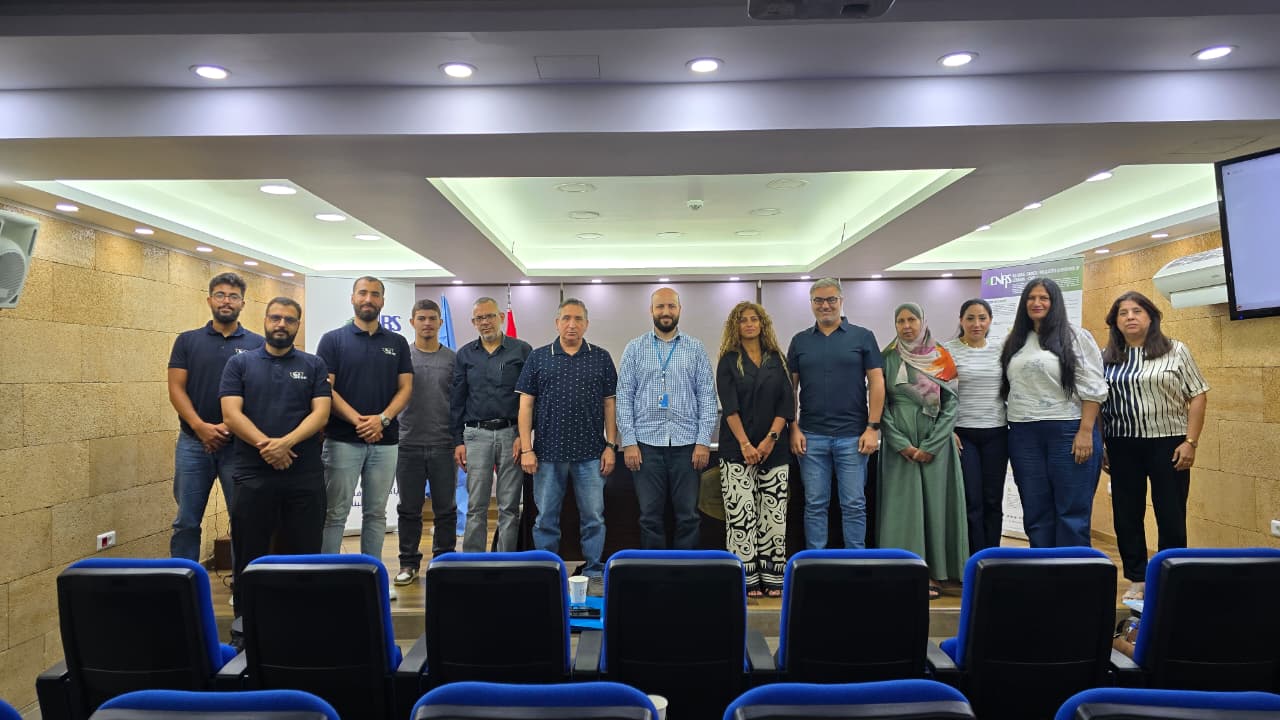
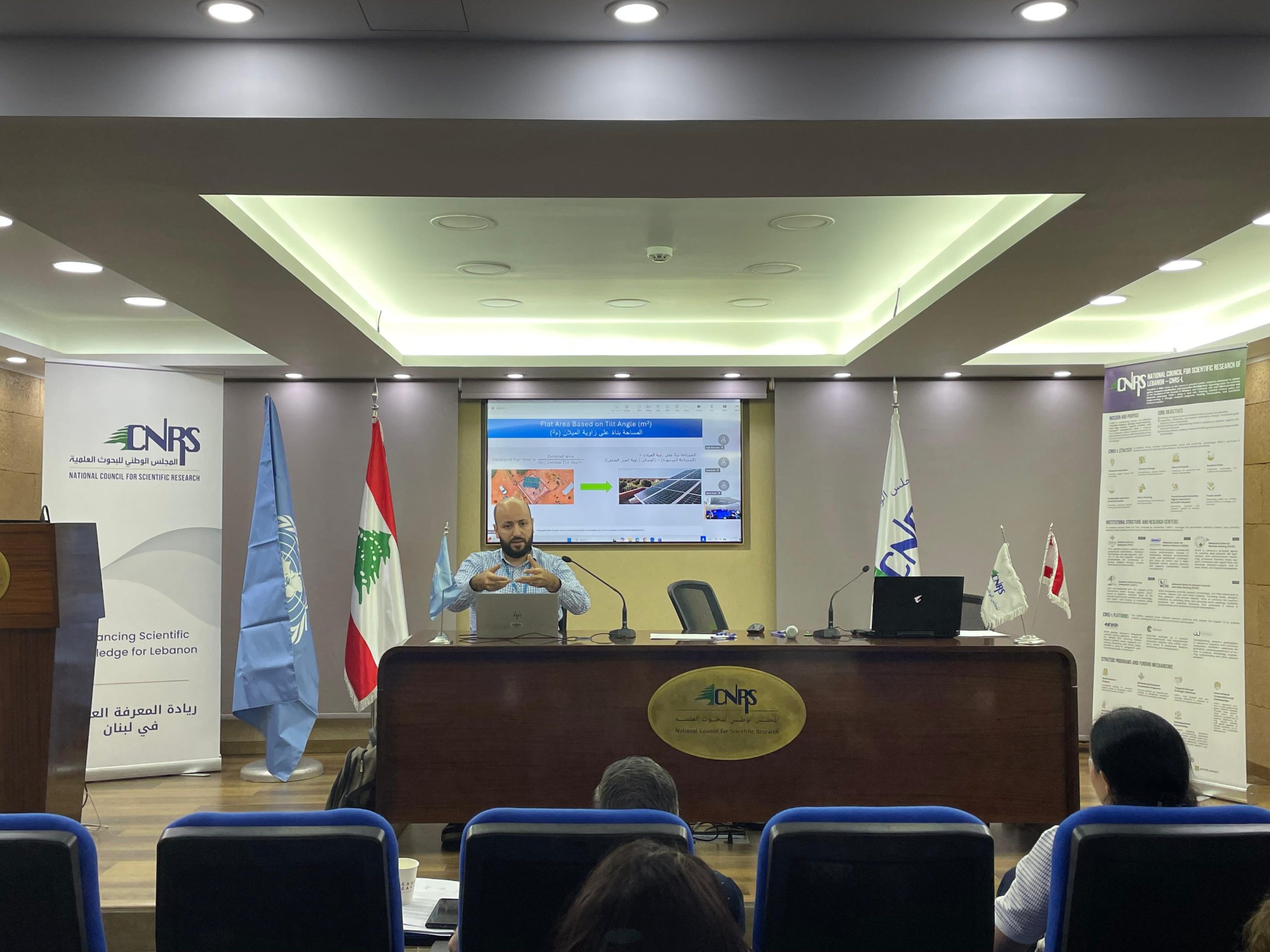
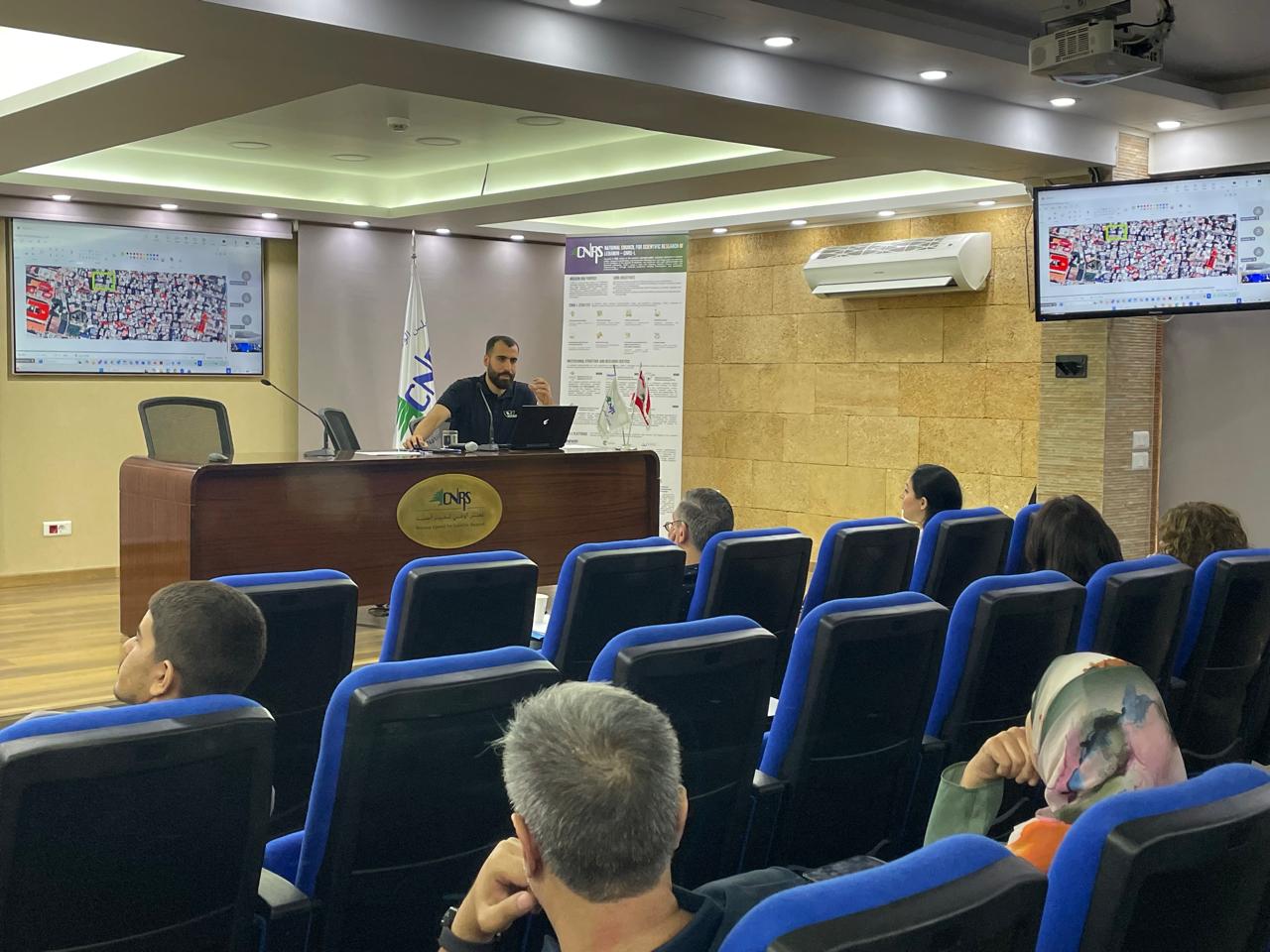
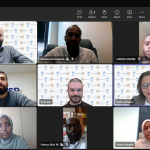
As part of the ongoing training program under the project “Improved Mapping and Monitoring of Solar Energy Access for Enhanced Climate Policy Action and Socio-Economic Resilience,” the National Council for Scientific Research – Lebanon (CNRS-L), in collaboration with ESCWA, delivered the fifth capacity-building session, dedicated to Lebanon.
The session brought together nominated representatives from Électricité du Liban (EDL), the Central Administration of Statistics (CAS), and the Ministry of Energy and Water, focusing on the use of geospatial and digital tools for mapping, monitoring, and analyzing access to solar energy.
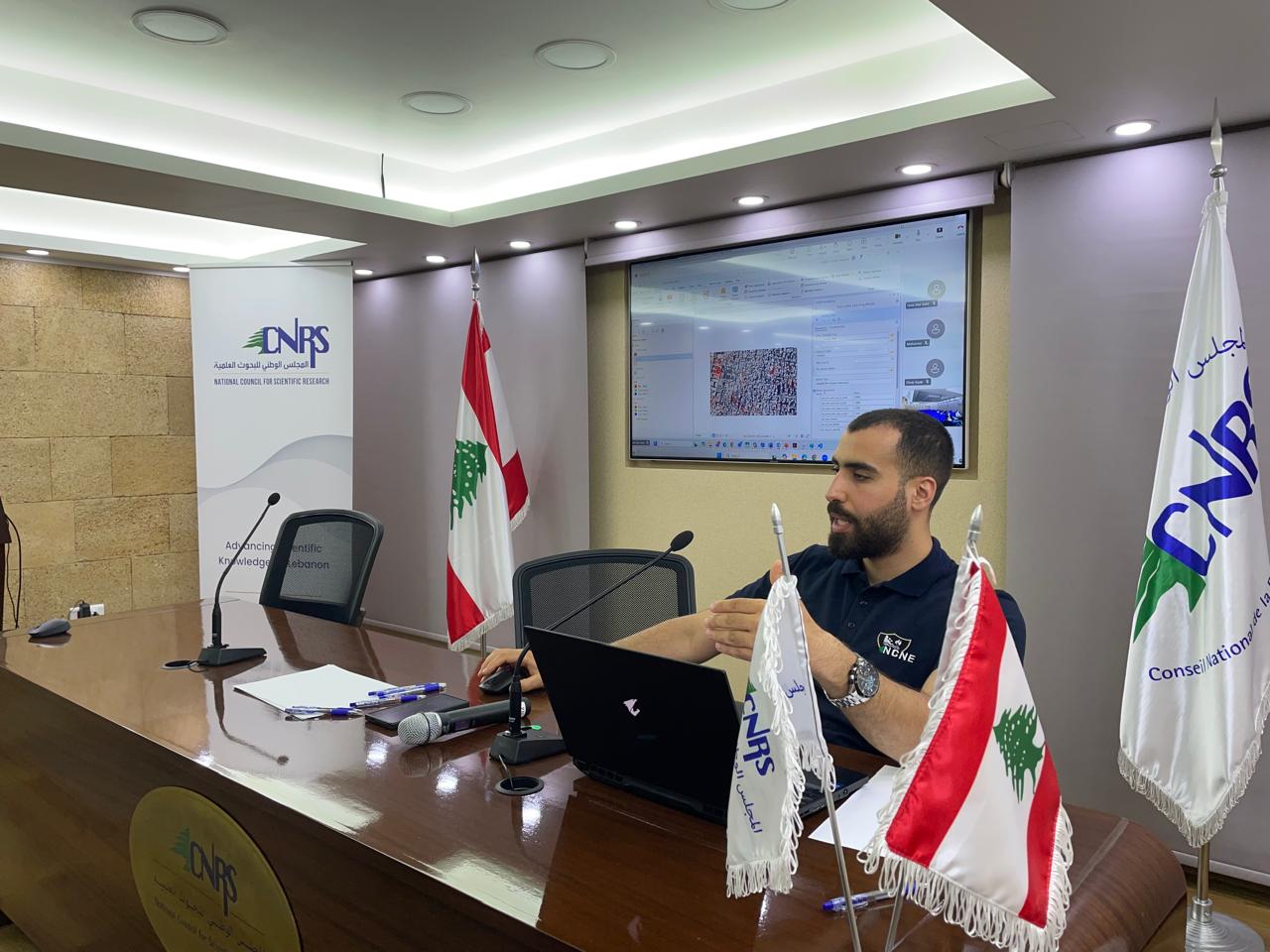
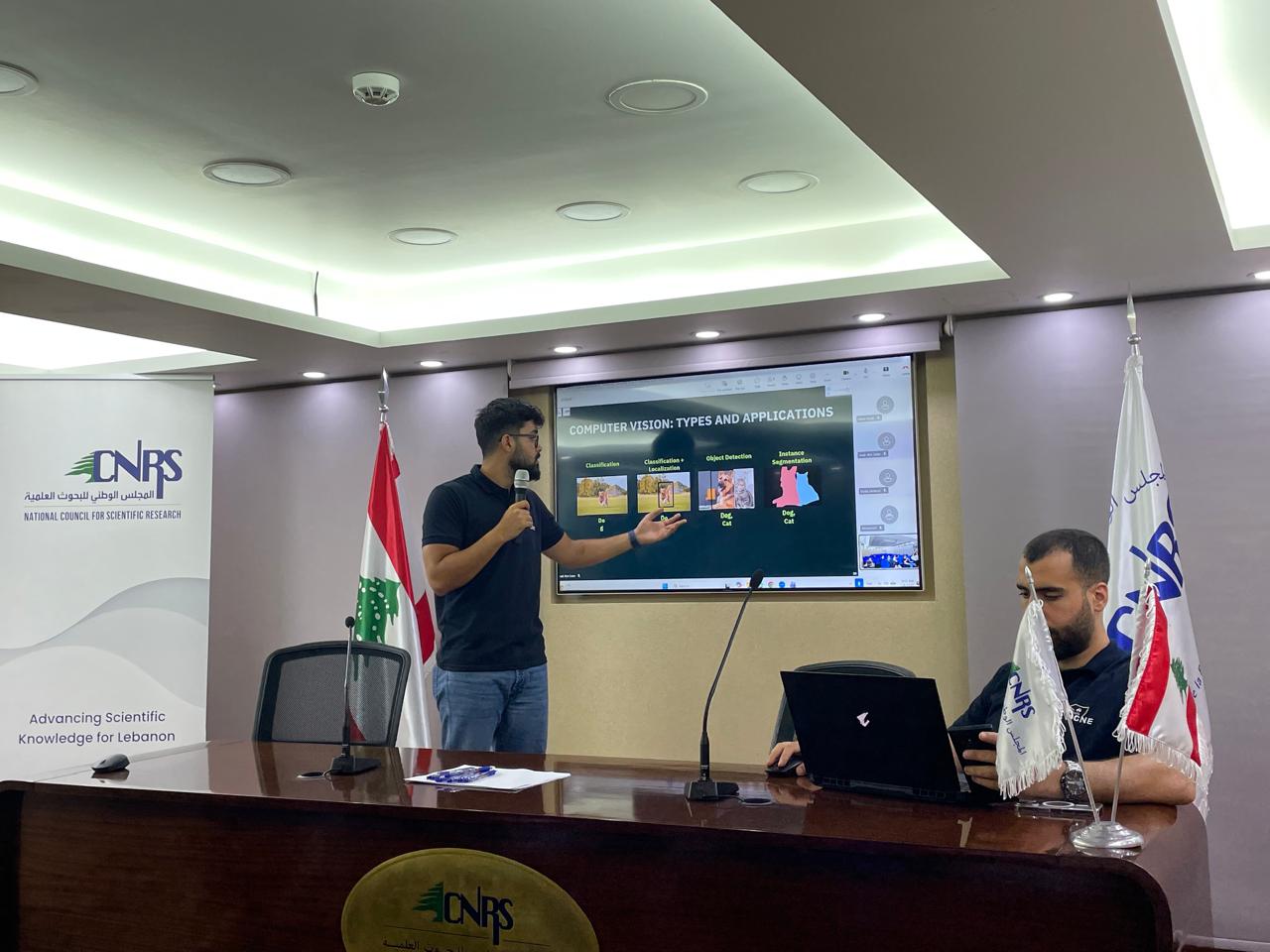
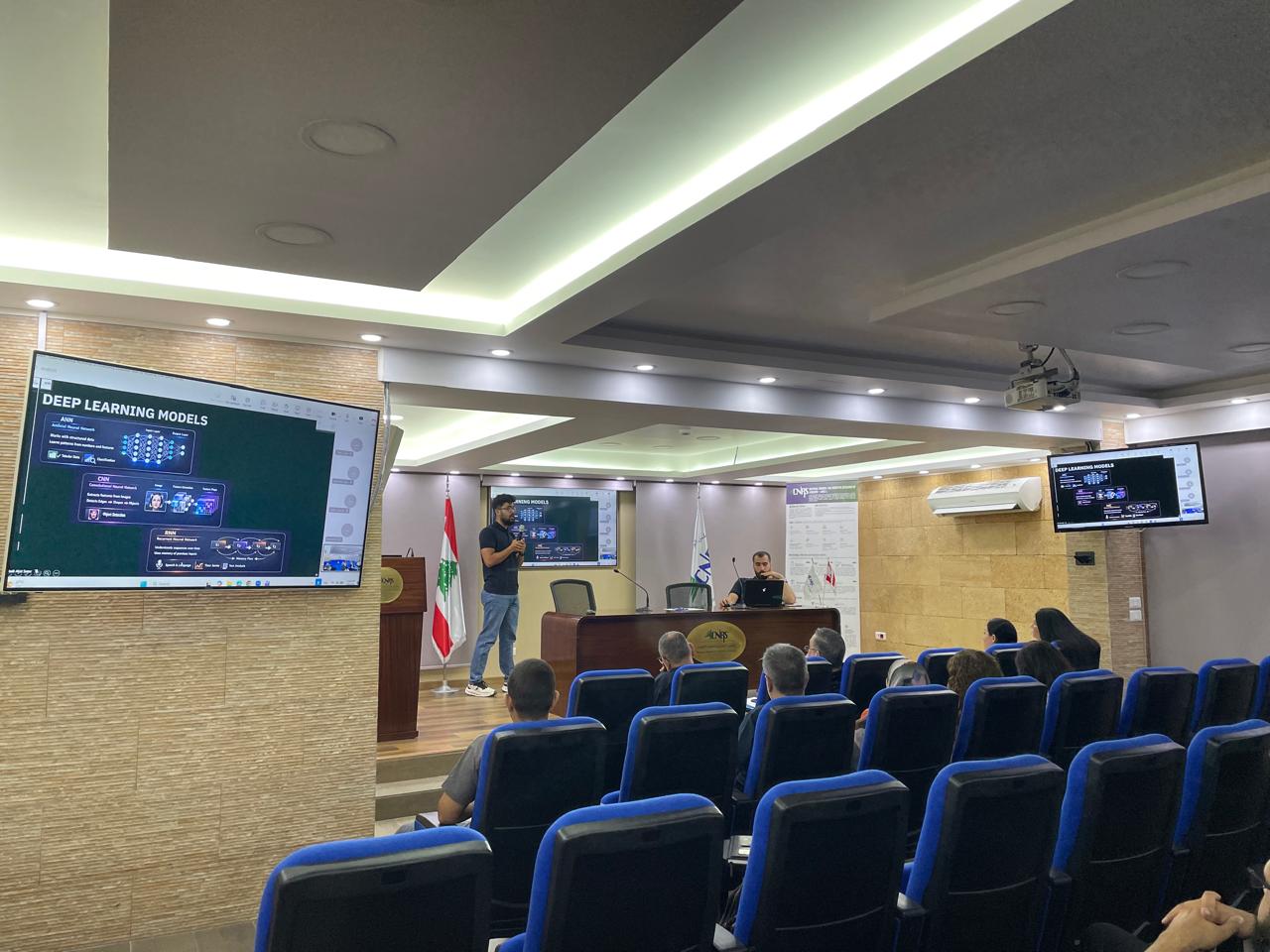
CNRS-L’s participation was led through the National Center for Natural Hazards and Early Warning (NCNE), represented by the AI Team: Hadi Abd Sater, Jad Alouieh, and Fawaz Nasser, who delivered applied inputs on Earth observation, GeoAI, GIS, and Python-based solar photovoltaic (PV) detection.
ESCWA contributed to the broader analytical and policy framework, including statistical analysis, data validation considerations, and the integration of solar energy access indicators to support evidence-based climate policy and socio-economic resilience planning.
The training featured live demonstrations and practical exercises on detecting solar photovoltaic (PV) systems using GIS and Python, including the presentation of the detection model developed for Lebanon and its potential role in supporting national renewable energy planning.