CNRS-L and ESCWA Deliver Regional Capacity-Building Workshops for Djibouti, Jordan, Syria, and Yemen
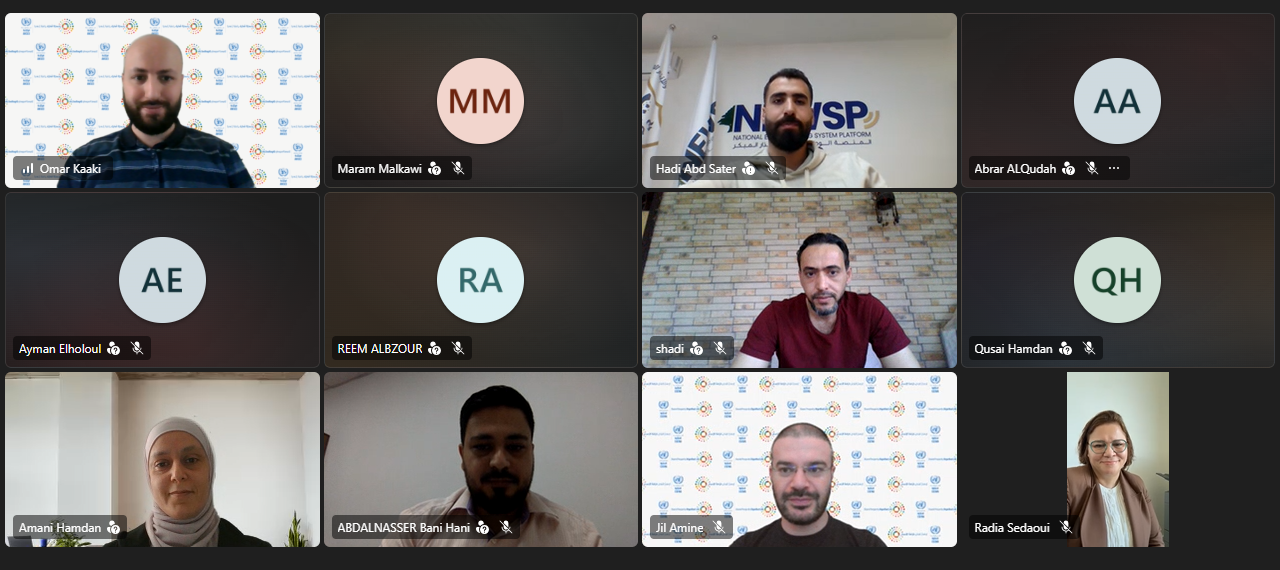
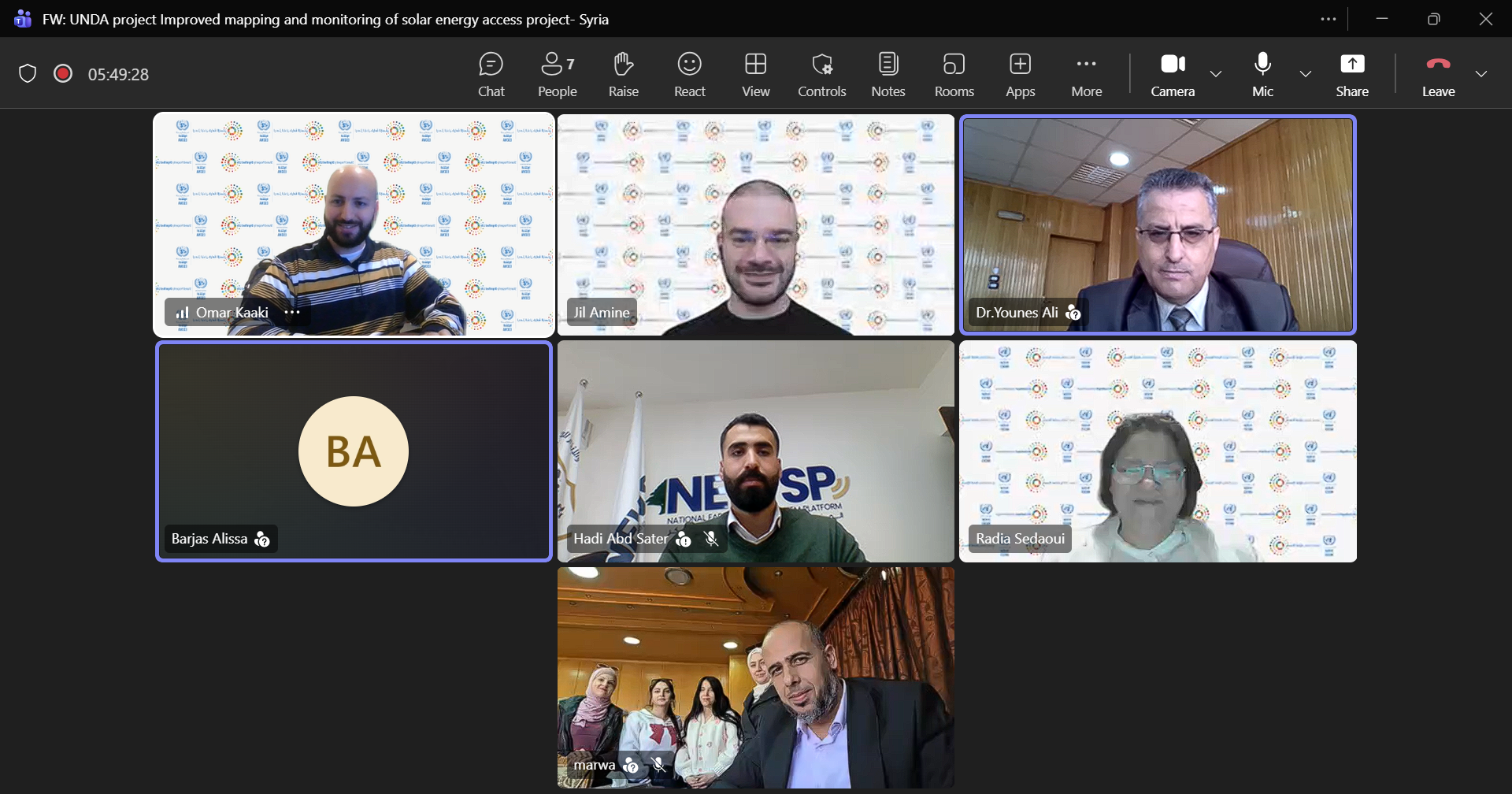
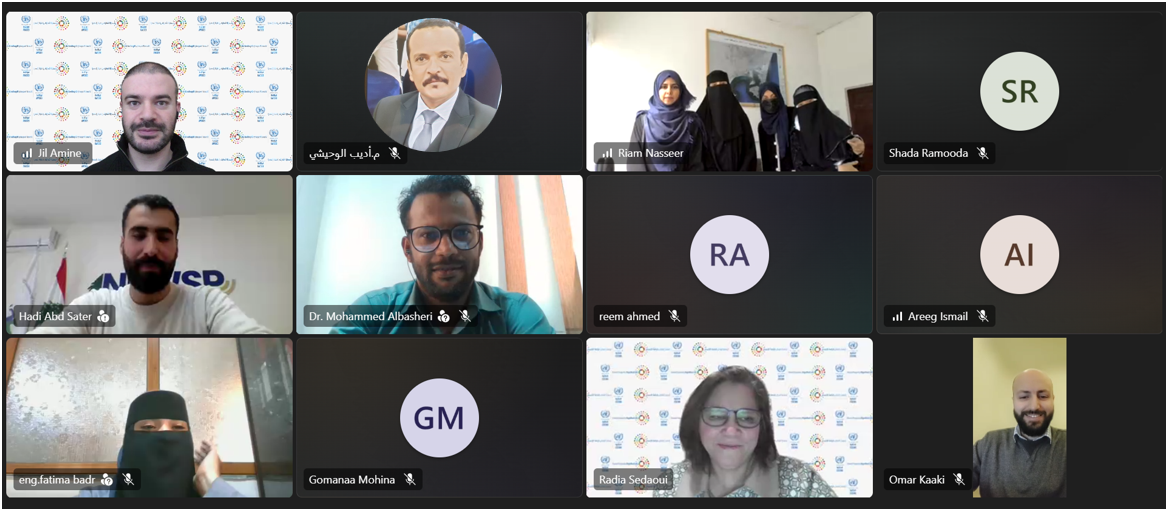
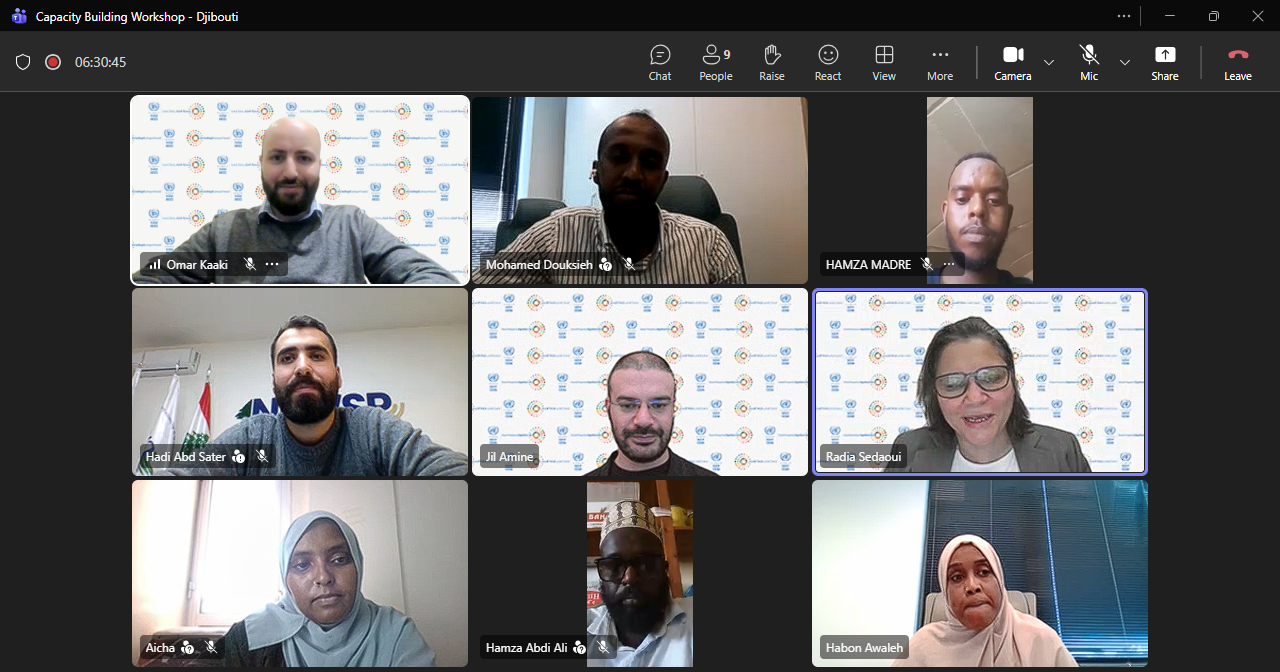
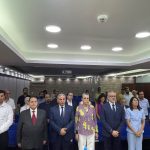
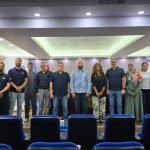
The National Council for Scientific Research – Lebanon (CNRS-L), in collaboration with ESCWA, organized a series of capacity-building workshops during the period extending from March to April 2026, under the project “Improved Mapping and Monitoring of Solar Energy Access for Enhanced Climate Policy Action and Socio-Economic Resilience,” for government officials from Djibouti, Jordan, Syria, and Yemen.
The participation of CNRS-L was led through the National Center for Natural Hazards and Early Warning (NCNE), represented by the AI Team, including Hadi Abd Sater, Jad Alouieh, and Fawaz Nasser. This participation highlighted CNRS-L’s applied experience in Earth observation, GeoAI, GIS, and Python-based geospatial analysis, particularly in relation to solar photovoltaic (PV) detection and monitoring.
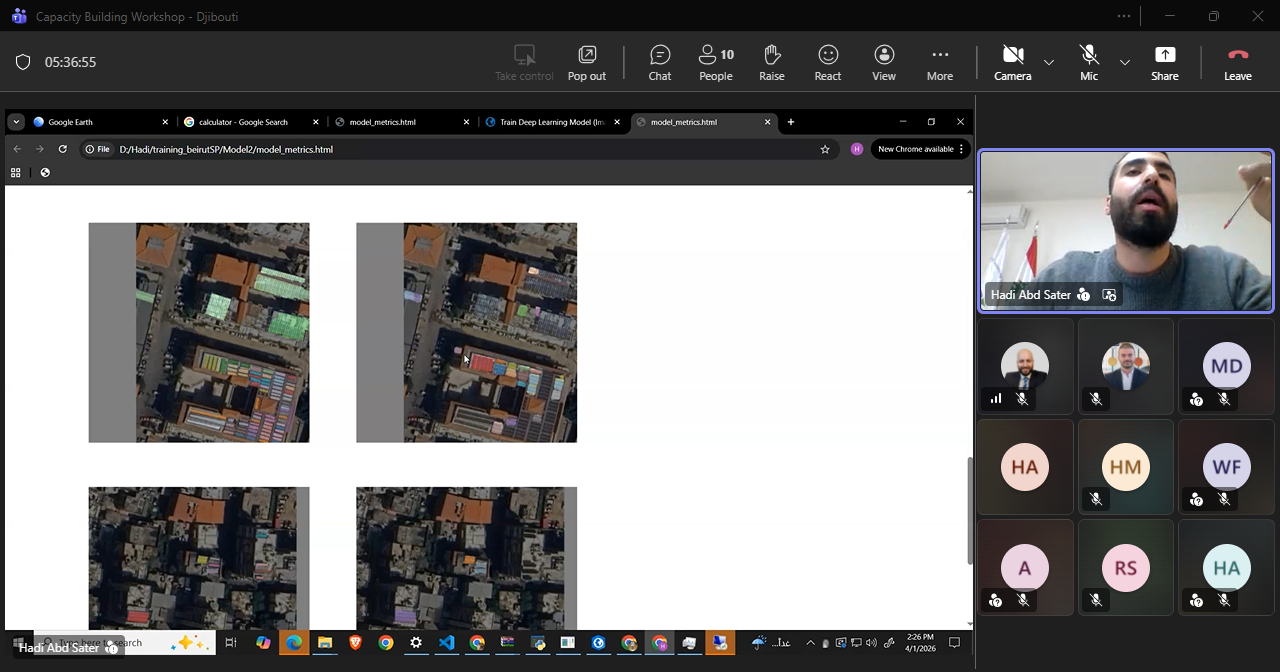
The workshops featured live demonstrations alongside practical training (from both CNRS and ESCWA team) to introduce innovative methodologies for detecting solar PV systems using Geographic Information Systems (GIS) and Python programming. Participants received structured guidance on how to utilize and develop Python code for GIS analysis. The sessions also included the presentation of a detection model created for Lebanon and preliminary detection results from Yemen.
This collaboration supported regional knowledge exchange and contributed to strengthening evidence-based planning for renewable energy access and climate policy action.