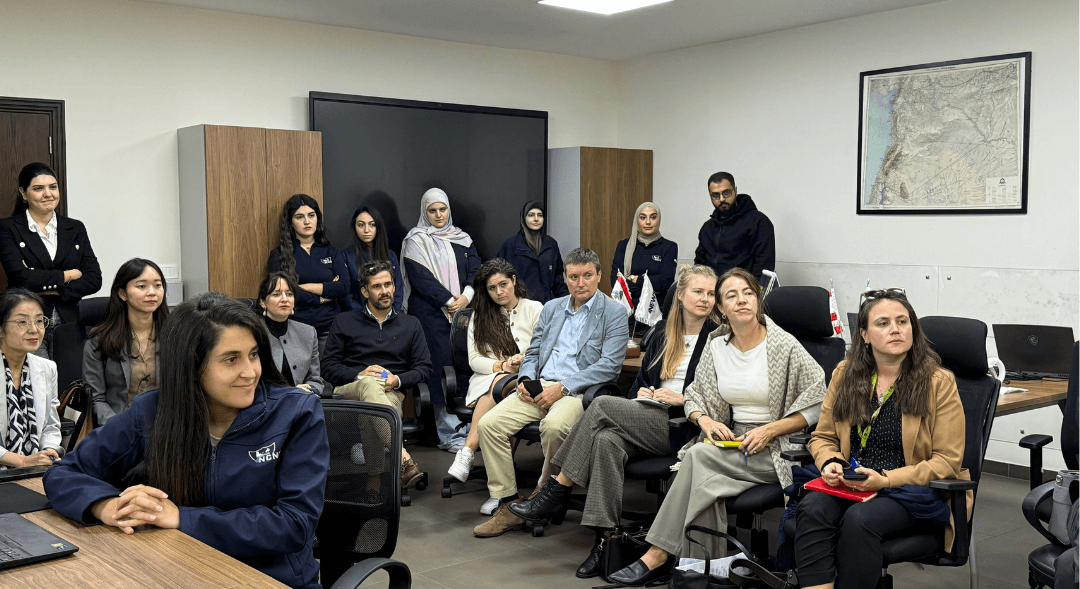
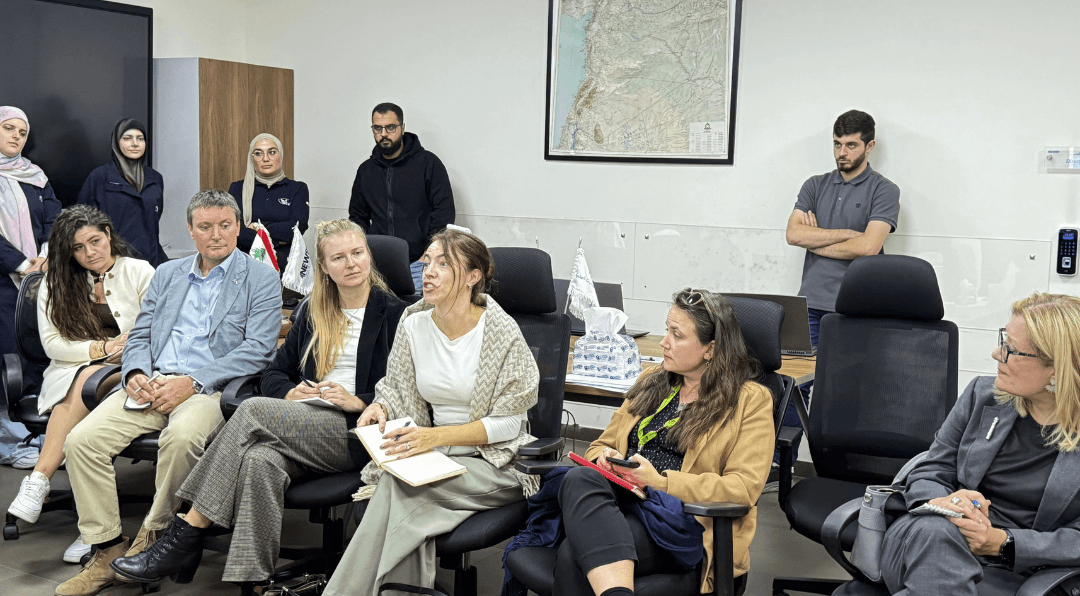
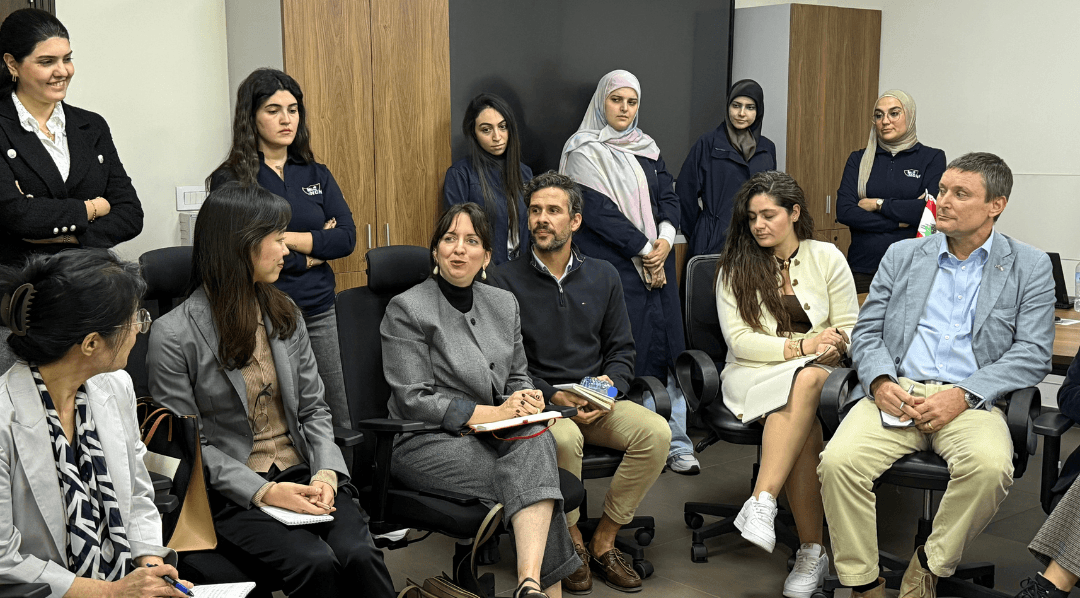
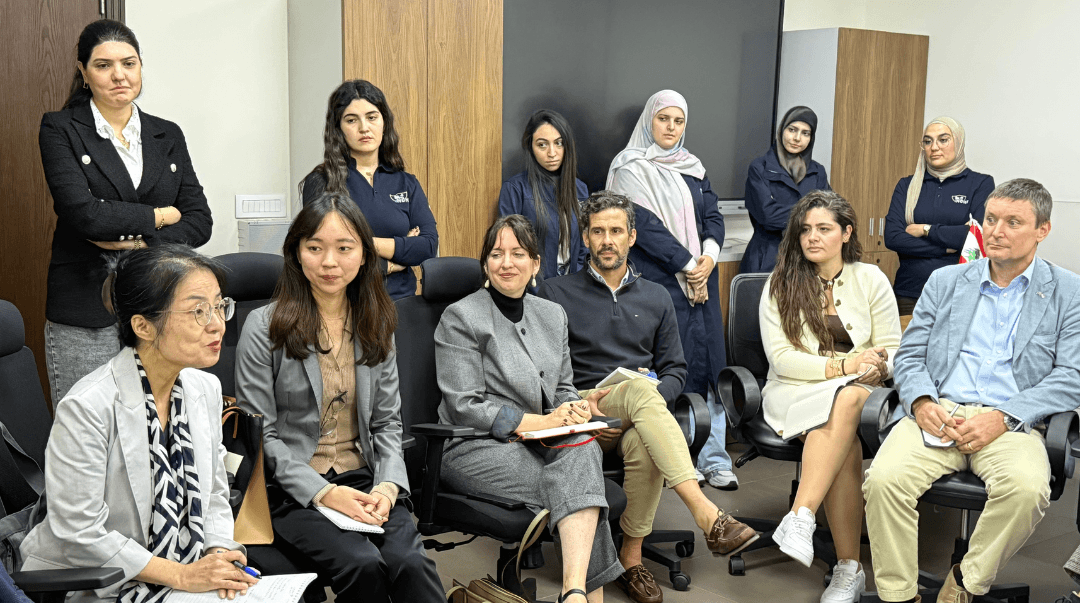
CNRS-L Welcomes a Delegation Comprising Representatives of Several Diplomatic Missions in Lebanon
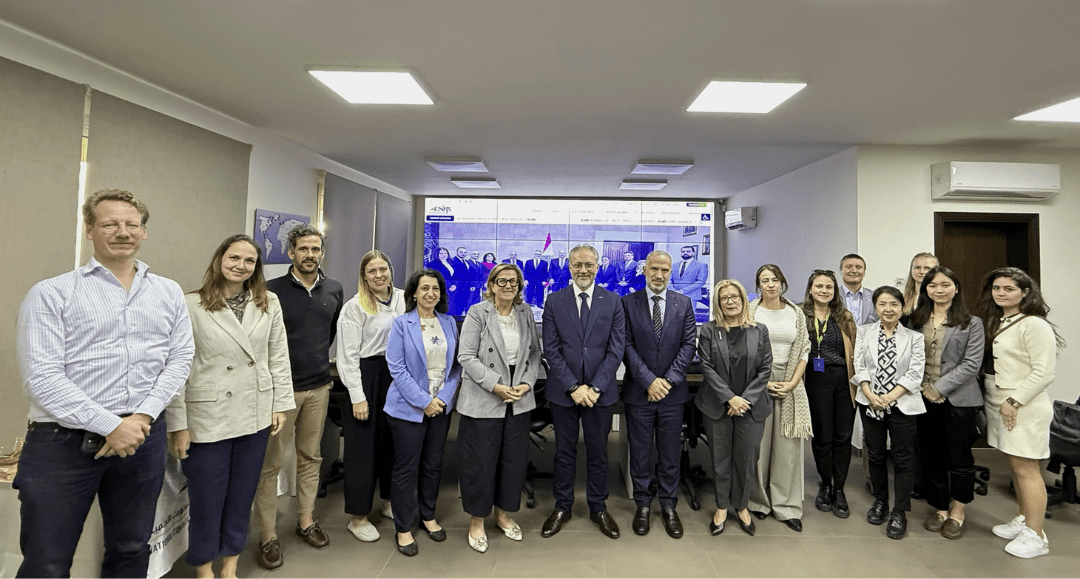
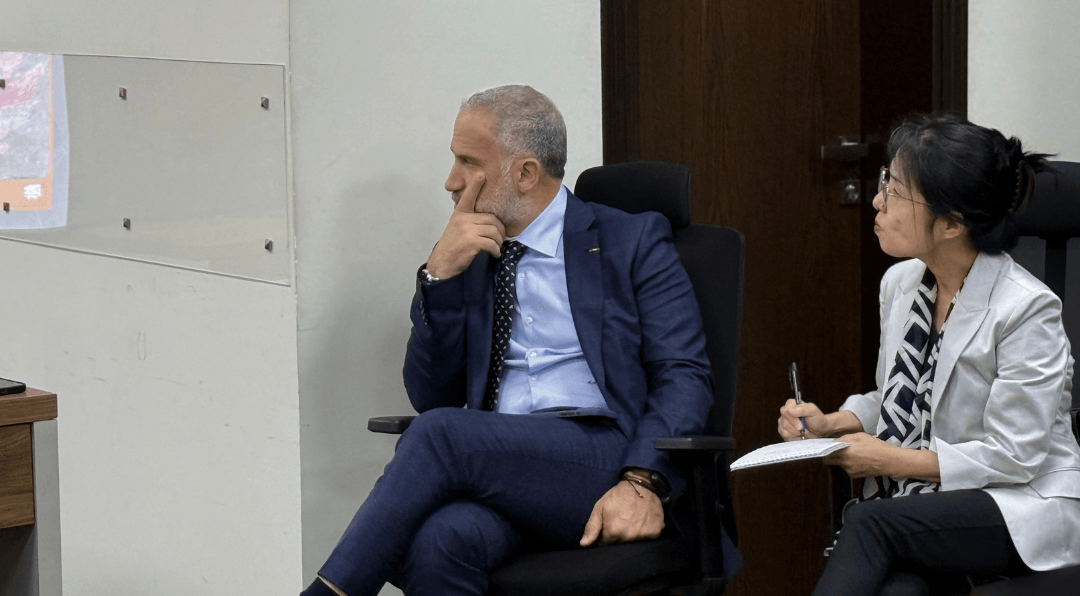
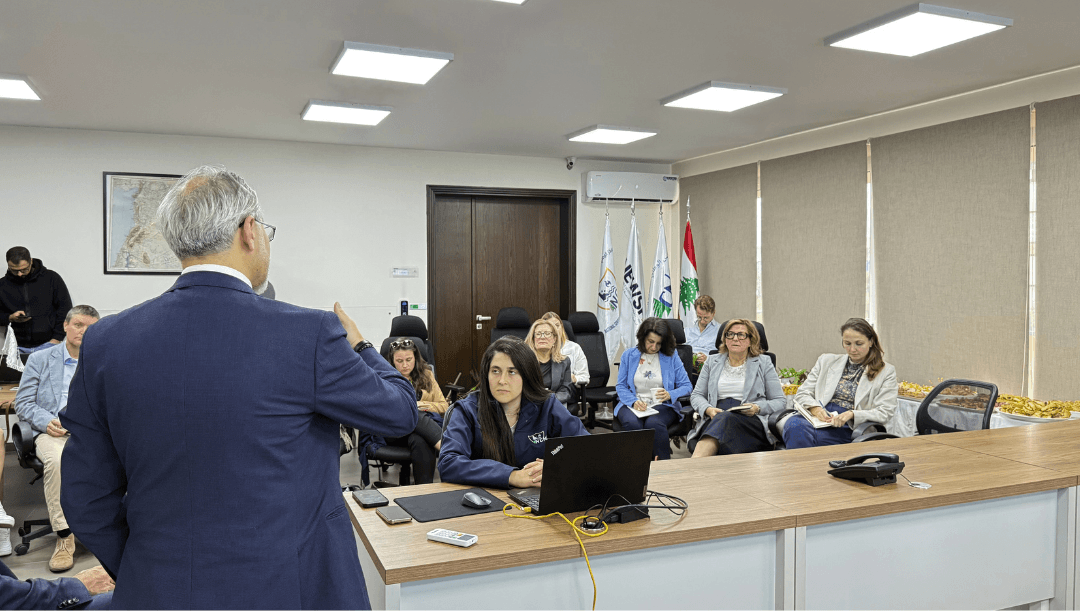
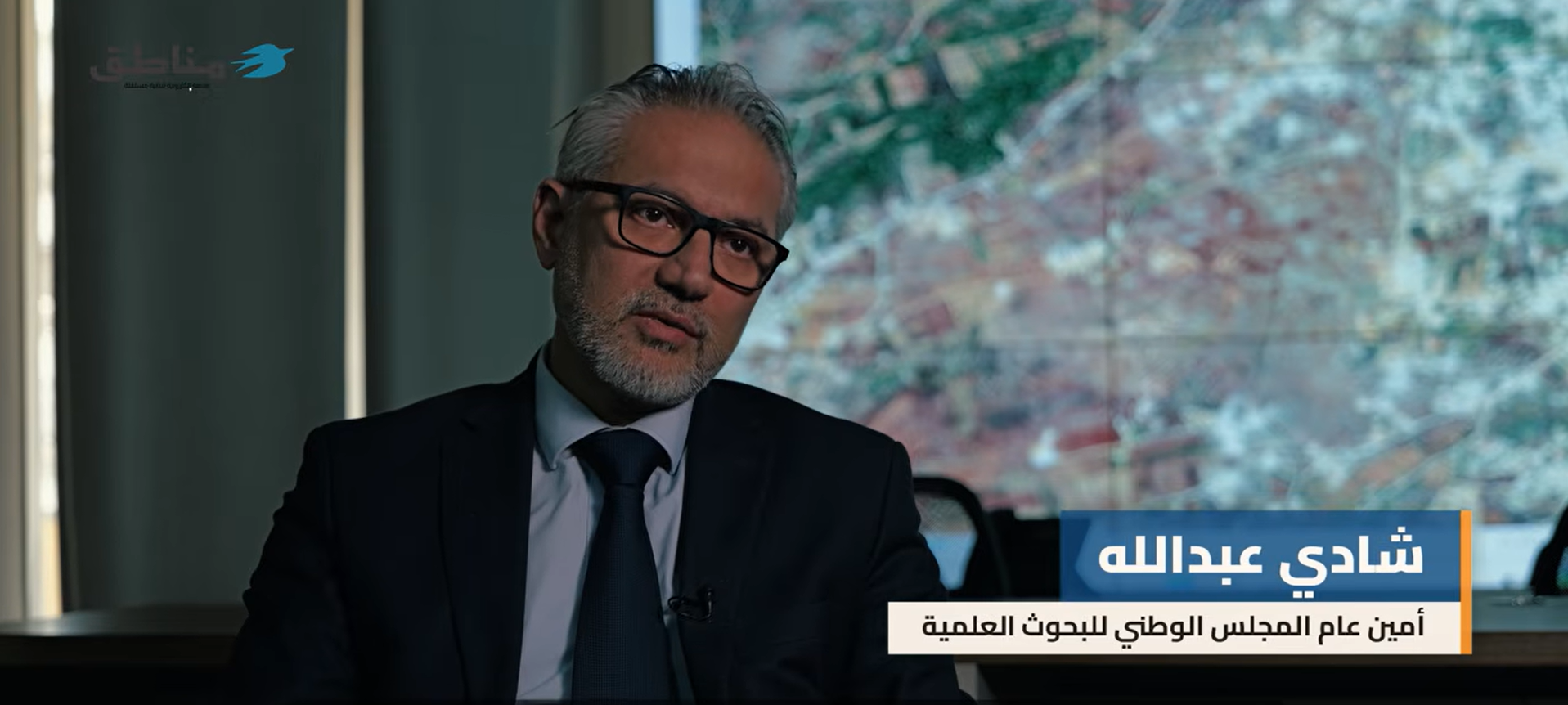
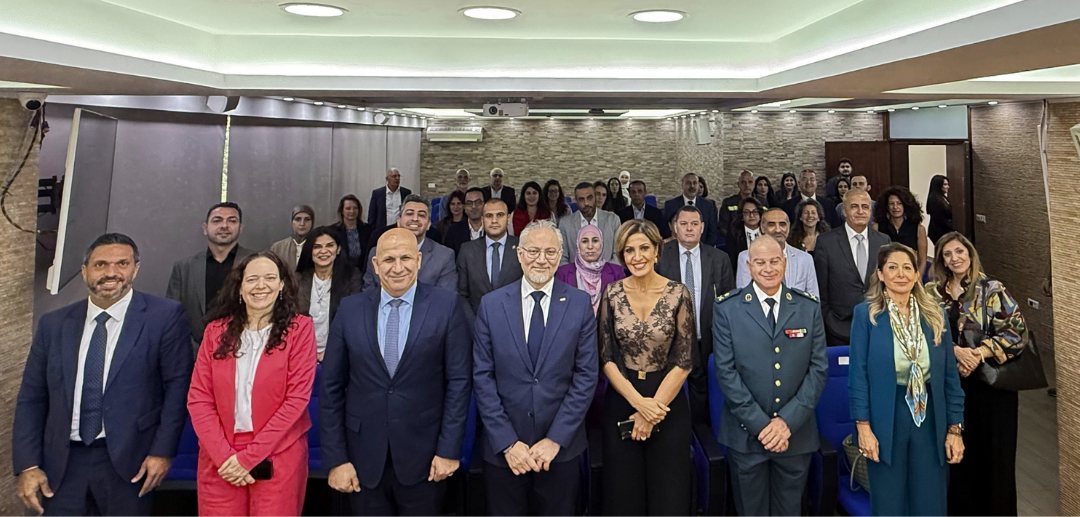
On 16 November 2026, the National Council for Scientific Research – Lebanon (CNRS-L) welcomed a delegation comprising representatives of several diplomatic missions in Lebanon. The delegation was received by Dr. Assaad Eid, President of the Board, and Dr. Chadi Abdallah, Secretary General of CNRS-L.
The delegation included:
Ms. Alessandra Viezzer, Head of Cooperation at the EU Delegation in Lebanon
Embassy of Switzerland in Lebanon: Ms. Katharina Häberli.
UK in Lebanon: Ms. Kate McDermott and Ms. Pippa Giles (Political Team).
Embassy of Japan in Lebanon: Ms. Ikumi Ogiwari, First Secretary and Head of Economic Cooperation, and Ms. Mayuko Tamura, Second Secretary, Political Section.
Embassy of the Czech Republic in Lebanon: Ms. Maria Rizk, Deputy Head of the Development and Economic Department.
Embassy of Greece in Lebanon: H.E. Mrs. Heleni Vakali, Ambassador, and Ms. Christina Argiropoulou, First Counsellor and Coordinator for Humanitarian Aid and Development Cooperation.
Embassy of Finland in Lebanon: Ms. Laura Sundblad, Deputy Head of Mission.
Embassy of Denmark in Lebanon: Ms. Anna-Sofia Olesen Yurtaslan.
Embassy of Italy in Lebanon: Mr. Stefano Moser, Head of Cooperation, and Mr. Stefano Sozza, Expert.
Embassy of the Republic of Cyprus in Lebanon: Ms. Josiane Chebl.
Mr. Jaap van Diggele.
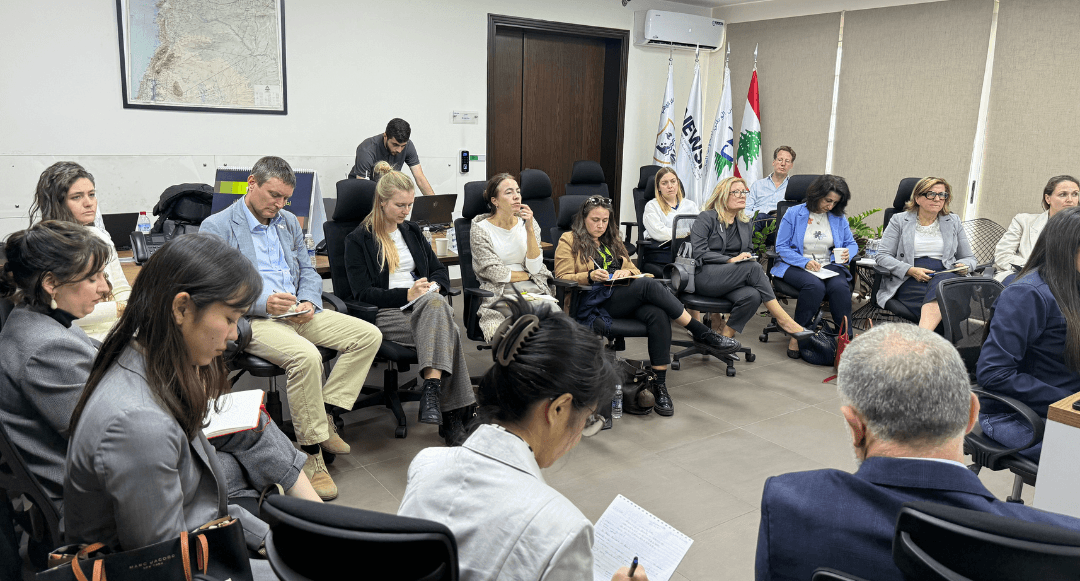
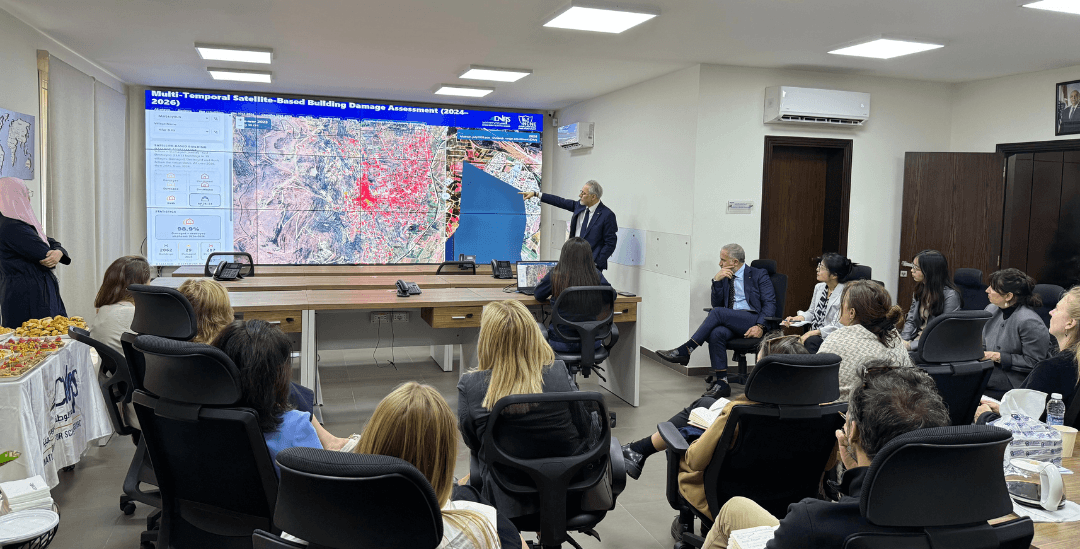
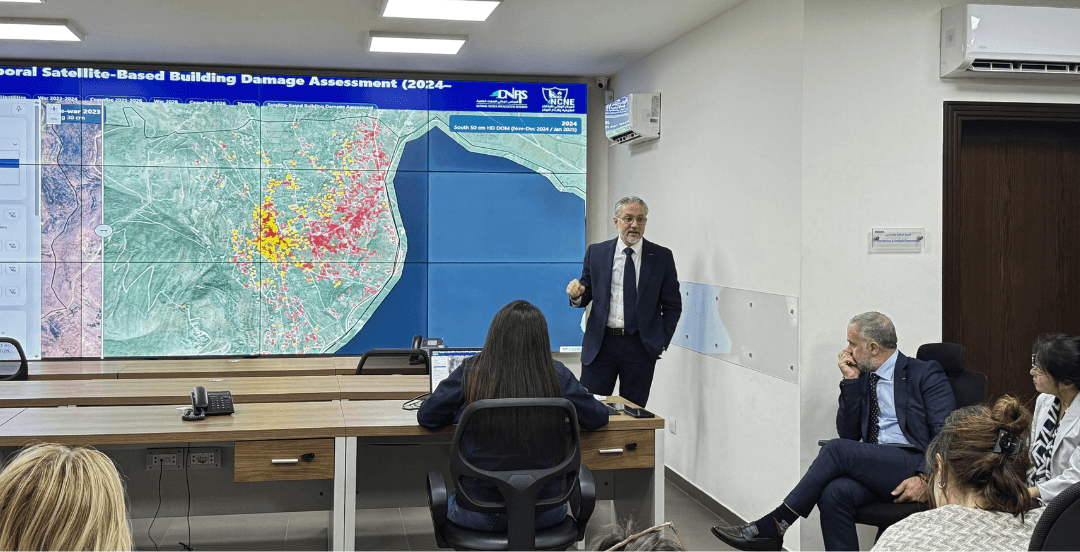
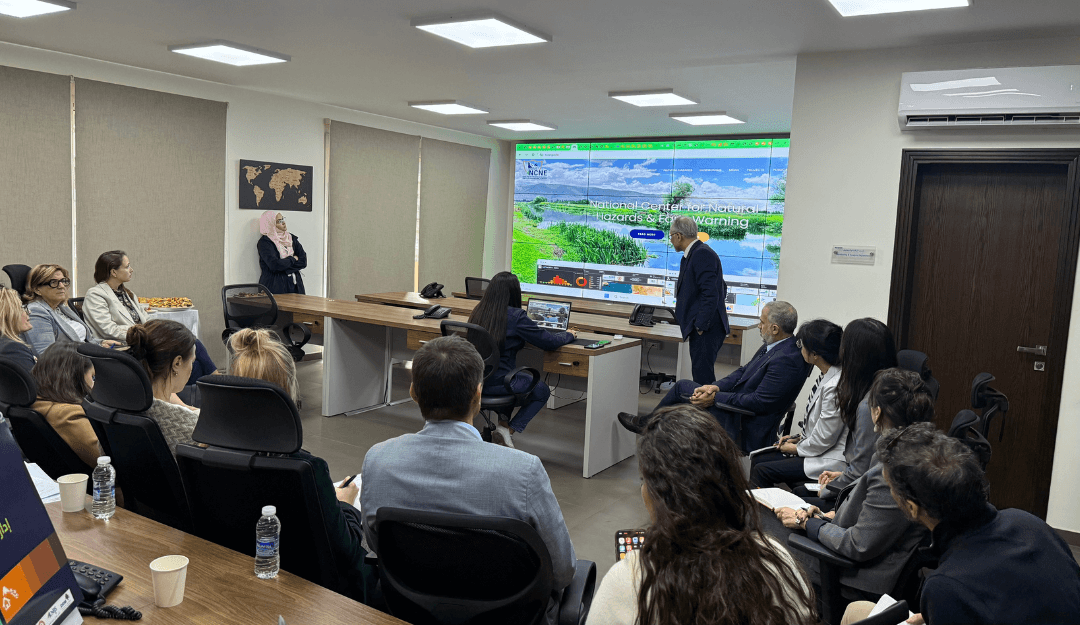
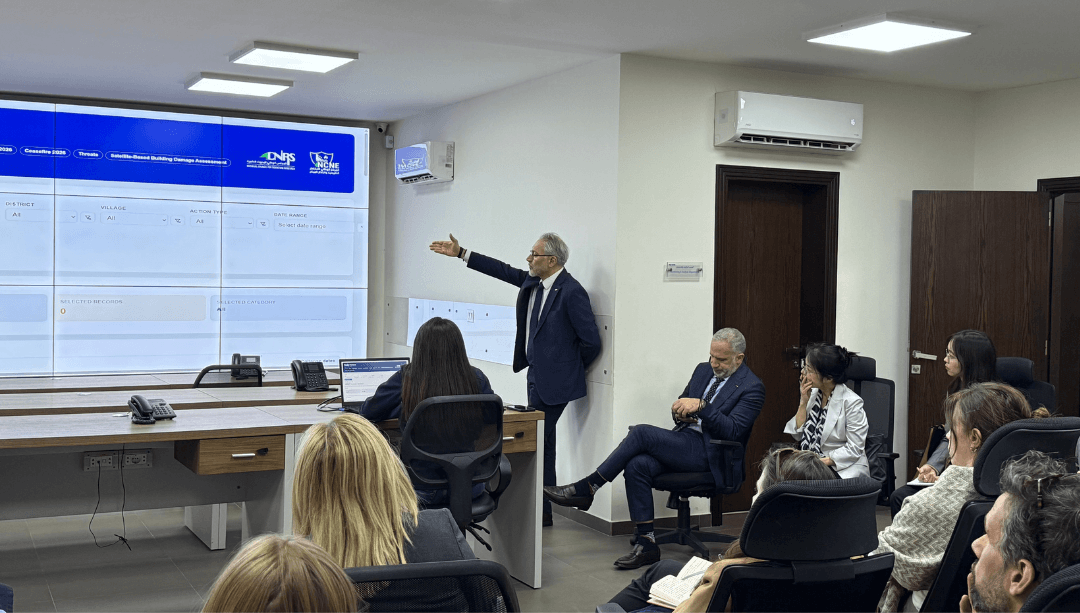
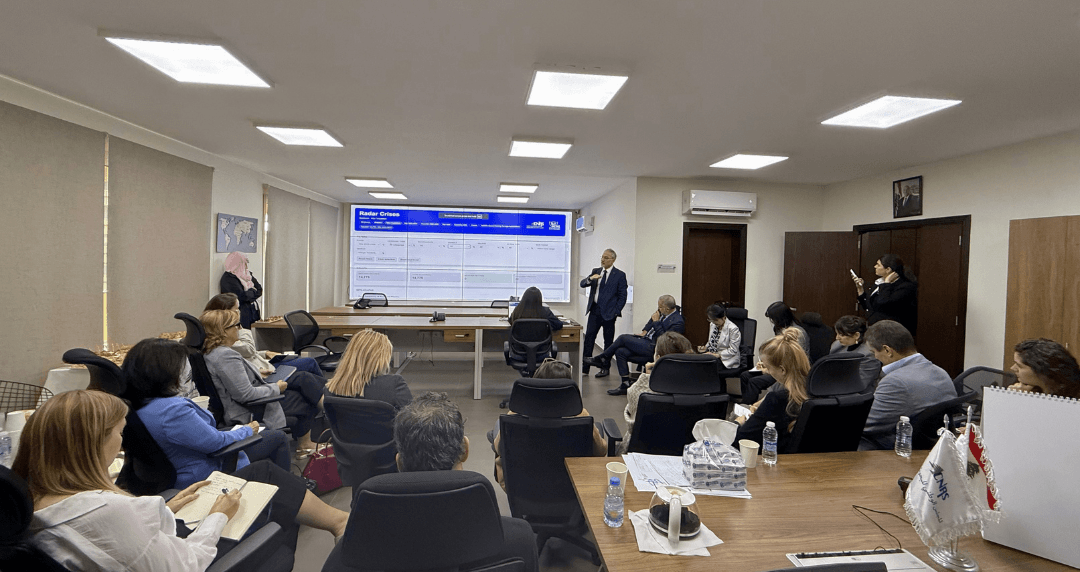
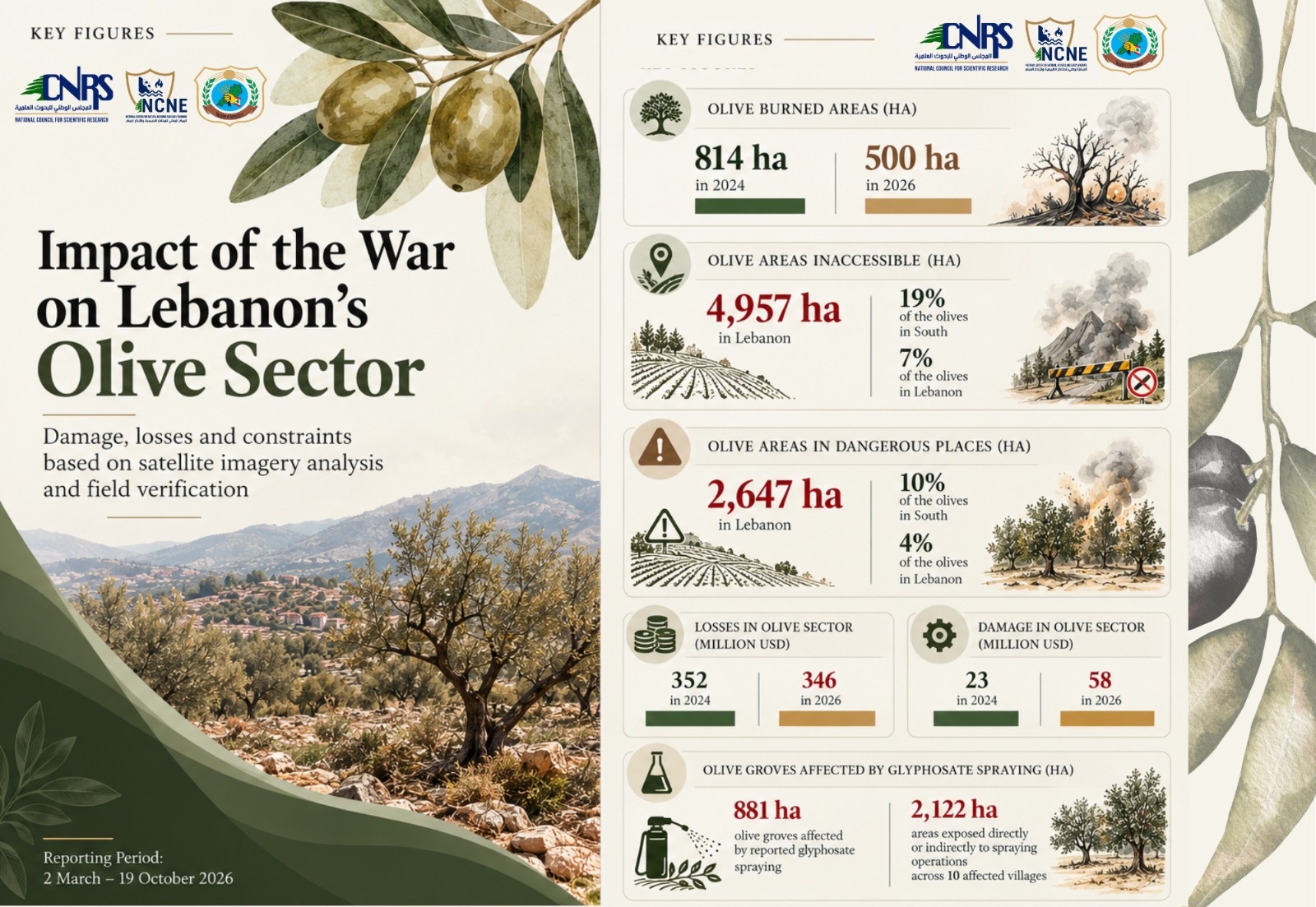
The delegation visited the National Center for Natural Hazards and Early Warning (NCNE) of CNRS-L, where they were briefed on the Center’s operational action plan and activities since the beginning of the war, including the methodologies adopted for data collection, analysis, and management to ensure the accuracy, reliability, and continuous updating of information. The delegation was also introduced to the methodologies used in damage assessment using satellite imagery and artificial intelligence. In addition, the visit provided an overview of the Center’s facilities, technologies, monitoring systems, and applications, as well as its work in natural hazard monitoring, risk assessment, and early warning.