Lebanon Marks World Tsunami Awareness Day with national workshop on coastal resilience, science, and youth engagement
On 5 November 2026, marking World Tsunami Awareness Day, the National Council for Scientific Research – Lebanon (CNRS-L) hosted the Regional Workshop on Coastal Resilience: From Early Warning to Anticipatory Action in the Mediterranean, organized by the United Nations Office for Disaster Risk Reduction – Regional Office for Arab States (UNDRR), in partnership with the Arab Science and Technology Advisory Group for Disaster Risk Reduction (Arab STAG) and Lebanon’s National Disaster Risk Management Unit.
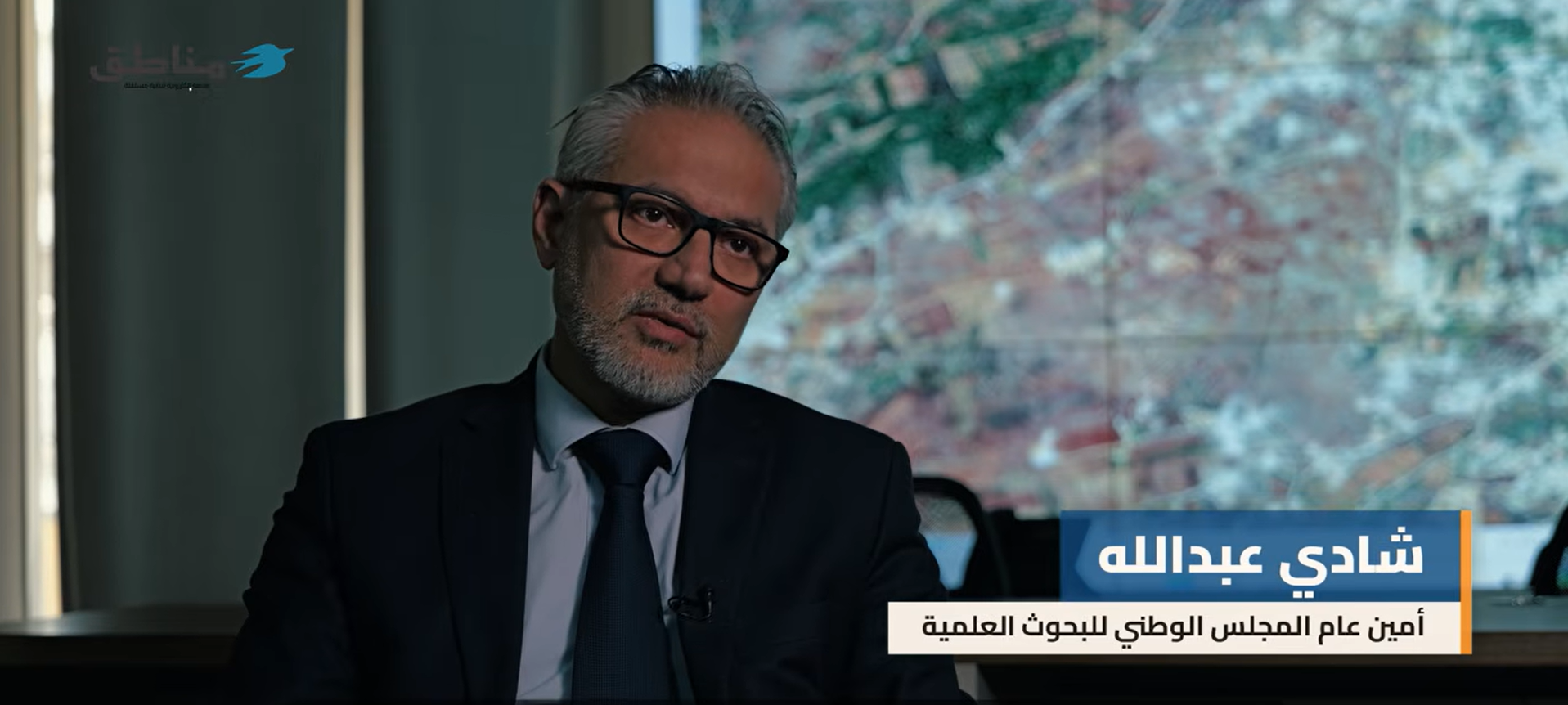
The workshop’s opening remarks were delivered by Dr. Chadi Abdallah, Secretary General of CNRS-L, and Ms. Rania Hammad, External Relations Officer at the United Nations Office for Disaster Risk Reduction (UNDRR) – Regional Office for the Arab States.
Dr. Abdallah introduced CNRS-L’s mandate and its research centers, highlighting their contributions to scientific research and innovation. He also stressed the importance of engaging and supporting students in building a more resilient and sustainable future.
In her remarks, Ms. Hammad highlighted UNDRR’s work on coastal risks, early warning, preparedness, and anticipatory action, followed by a presentation addressing these key areas.
Ms. Elena Maalouf, representing CNRS-L’s National Center for Natural Hazards and Early Warning (NCNE), delivered a presentation entitled “Understanding and Monitoring Coastal Risks in Lebanon”, highlighting CNRS-L’s mandate, available science, monitoring capacities, the use of artificial intelligence (AI), and relevant coastal hazards.
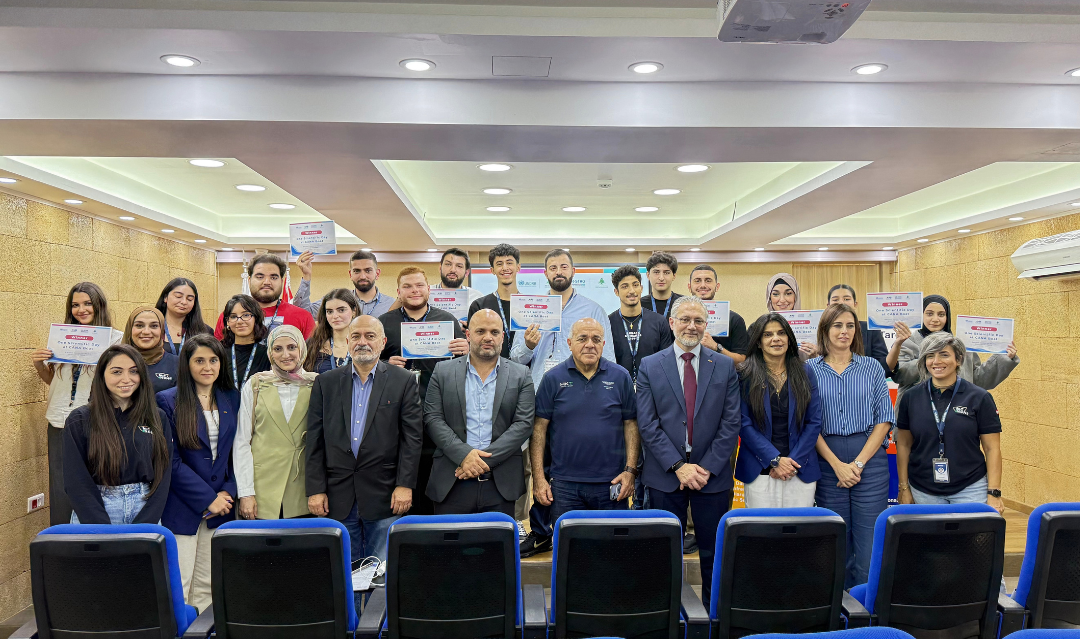
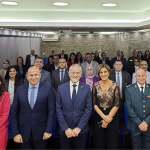
More than 80 students and their professors from 12 Lebanese universities took part in the workshop, which focused on coastal resilience, scientific approaches, and early warning systems.
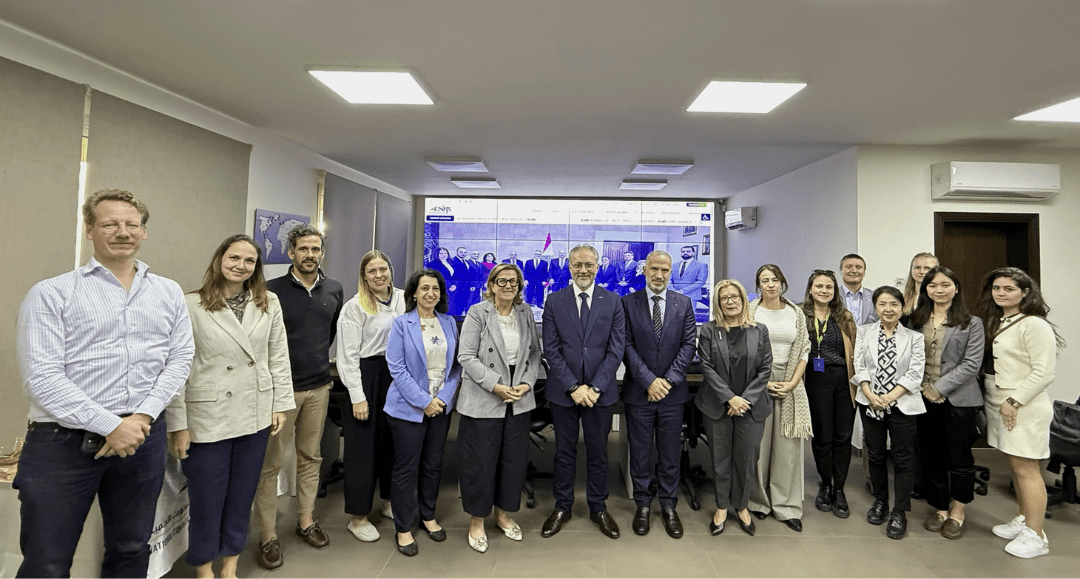
As part of the programme, participants visited CNRS-L’s National Center for Natural Hazards and Early Warning, where they attended demonstrations of its facilities, technologies, monitoring systems, data, and applications.
During the “From Early Warning to Early Action” competition, students were divided into six groups. Each group was asked to respond to a coastal-risk scenario and develop practical solutions for translating risk information and warnings into preparedness and early action. The participating teams then delivered short presentations of their proposed solutions.
Two of the six participating groups were selected as winners and awarded a visit to the Cana Boat of CNRS-L’s National Center for Marine Sciences.
The workshop highlighted the importance of strengthening scientific cooperation, raising awareness among younger generations, and translating scientific knowledge into practical solutions to reduce coastal risks and build more resilient communities.
The photos of the workshop are available at the following link: